
The New Formula for Electoral Success: BJP Could Gain Significantly Through Religious Controversies – Justice Markandey Katju
The Shahi Idgah Mosque dispute in Mathura could assume political significance ahead of the 2027 Uttar Pradesh Assembly elections. Questions may also be raised over Jama Masjid and other historical religious sites before the 2029 Lok Sabha elections.
By Sayeed Anwar। Uttar Pradesh is scheduled to go to Assembly elections in February–March 2027. Ahead of the elections, political debate has intensified over allegations of large-scale ‘vote chori’ (vote theft) in the country. Many believe that questions surrounding the role of Chief Election Commissioner Gyanesh Kumar and allegations of vote theft could harm the ruling BJP's electoral prospects. However, I do not agree with this assessment.
The Ram Janmabhoomi movement in Ayodhya and the demolition of the Babri Masjid played a significant role in changing the course of Indian politics. The BJP came to power at the Centre in 2014 and has remained in power since then. Now, ahead of the Uttar Pradesh Assembly elections, the dispute surrounding the Shahi Idgah Mosque and Shri Krishna Janmabhoomi in Mathura has once again become a subject of debate. In this situation, the possibility cannot be ruled out that the Krishna Janmabhoomi movement may gain momentum before the elections and that some major incident concerning the mosque could take place.
Following lawsuits filed by certain Hindu parties in connection with the Mathura dispute, demands for surveys and excavations have been raised before the Allahabad High Court. Judicial proceedings and claims associated with the Archaeological Survey of India (ASI) have further intensified the debate surrounding the controversy. Different parties involved in the matter have their own claims and historical interpretations.
The dispute is also significant in the context of the Places of Worship (Special Provisions) Act, 1991. According to this law, the religious character of a place of worship as it existed on 15 August 1947 cannot be altered. Despite this provision, disputes and legal claims concerning several religious sites across the country continue to emerge.
Nearly 80 per cent of Uttar Pradesh's population is Hindu. In such an environment, if a major incident occurs concerning the Shahi Idgah Mosque, it could have a political and emotional impact on the elections. A large section of the population may view the issue through the prism of Hindu religious faith and historical claims. This could potentially create an electoral advantage for the BJP.
My assessment is that despite issues such as alleged vote theft, unemployment, inflation and the economic hardships faced by ordinary people, an atmosphere charged with religious sentiments could work in the BJP's favour. In this way, the BJP could achieve a major victory in the Uttar Pradesh Assembly elections.
This strategy may not remain confined to Uttar Pradesh alone. India has 28 states and eight Union Territories. Elections are held in different states from time to time. If religious controversies are turned into an effective instrument of electoral politics, the same approach could be employed in other states as well.
The next Lok Sabha elections are scheduled for 2029. In this context, the possibility cannot be ruled out that a controversy may be created around Delhi's historic Jama Masjid ahead of the elections. Former BJP Member of Parliament Sakshi Maharaj has previously made controversial statements concerning Jama Masjid. If any such incident occurs, it could intensify religious polarisation and potentially benefit the BJP electorally.
Apart from this, future controversies could also be raised concerning several historic religious sites, including the Gyanvapi Mosque in Varanasi, Mecca Masjid in Hyderabad, Tipu Sultan Mosque in Kolkata, Jama Masjids in Agra, Ahmedabad, Bengaluru and Bijapur, Moti Masjid in Bhopal, the Moti Masjid inside Delhi's Red Fort, Taj-ul-Masajid in Bhopal and Atala Masjid in Jaunpur.
Another question is whether Sufi religious sites such as Ajmer Sharif Dargah, the Dargah of Nizamuddin Auliya in Delhi, Haji Ali Dargah in Mumbai and the Salim Chishti Dargah in Fatehpur Sikri will also remain protected from such controversies.
In my opinion, if disputes concerning religious sites and demands for their demolition become part of electoral politics, the Taj Mahal in Agra could be the ultimate example. Certain organisations have also claimed that the Taj Mahal was originally an ancient Shiva temple known as ‘Tejo Mahalaya’. However, this claim remains historically disputed.
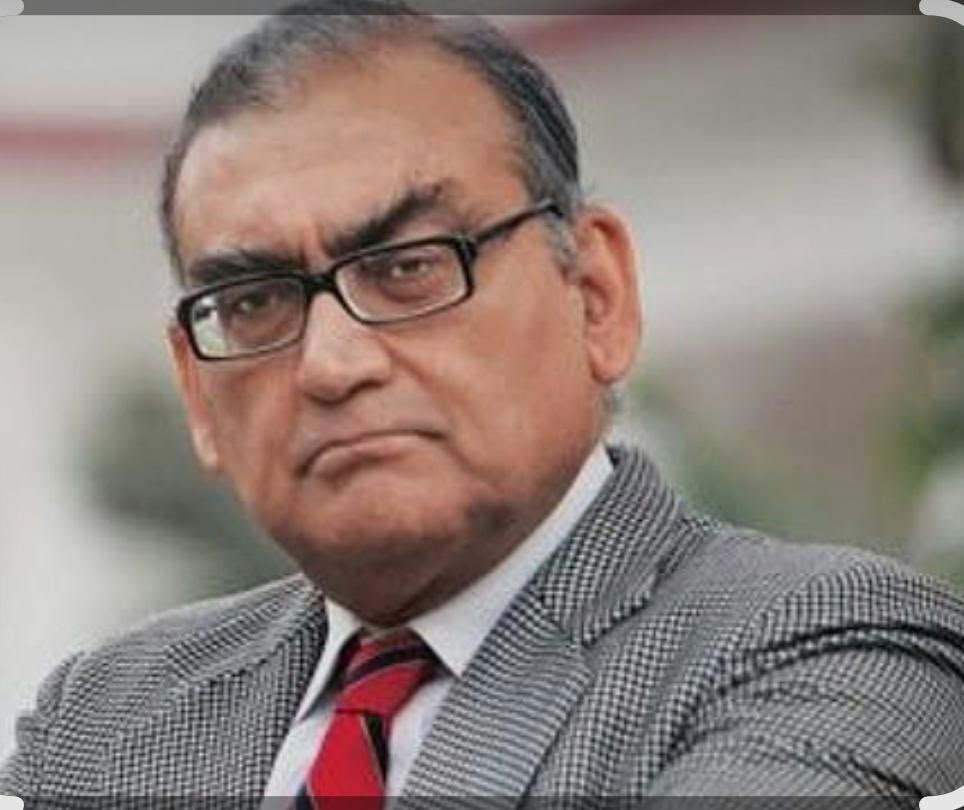
Katju believes that attempts are being made to make religious and emotional issues more politically effective than socio-economic concerns in Indian electoral politics. If this trend continues, the political exploitation of religious controversies could become a significant electoral strategy in the forthcoming Assembly and Lok Sabha elections.
The New Formula for Electoral Success: BJP Could Gain Significantly Through Religious Controversies – Justice Markandey Katju